
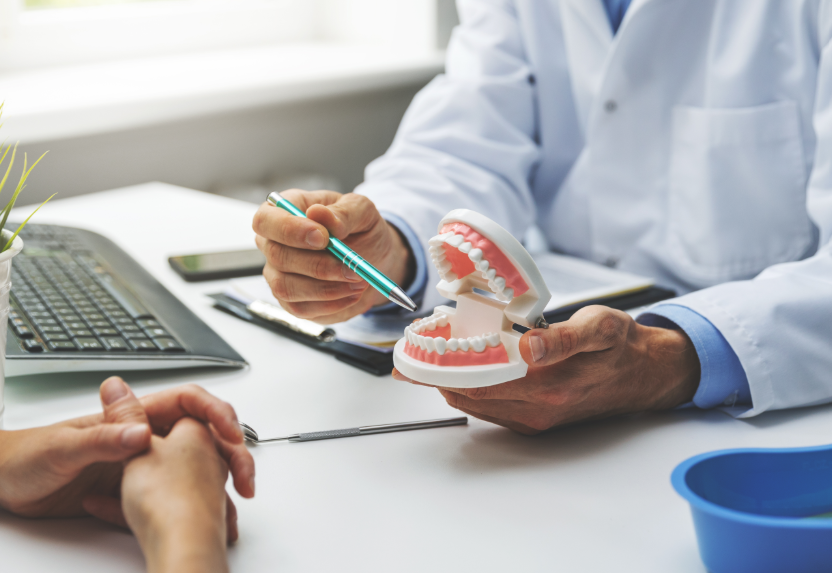
Your teeth might seem pretty straightforward: They help you chew, they help you speak, and they make your smile look great. But there’s much more going on beneath the surface. From incredibly strong enamel to the surprising amount of bacteria living in your mouth, your teeth are more fascinating than you might realize.
Here are 10 things you may not know about your teeth.
1. Your Teeth Are Unique
Your teeth are as individual as you are. Even identical twins don’t have exactly the same set of teeth. In fact, dental records can sometimes be used to help identify people.
2. You Have More Than Just What You See
Only about two-thirds of a tooth is visible above the gumline. The remaining portion is below the gums, which is one reason healthy gums are so important. Taking care of your gums helps support the structures that keep your teeth in place.
3. Tooth Enamel Is Extremely Strong
Enamel is the outermost layer of your teeth and is considered the hardest substance produced by the human body. That doesn’t mean it’s indestructible, though. Acids from plaque and certain foods and drinks can gradually weaken enamel.
4. Your Teeth Can’t Heal Themselves
Unlike some other parts of your body, teeth don’t have the ability to fully repair themselves once they’re damaged. That makes prevention especially important. Regular brushing, flossing, and professional dental care can help protect your enamel before problems become more serious.
5. Adults Usually Have 32 Teeth
A complete adult set typically includes eight incisors, four canines, eight premolars, and 12 molars. That final group includes your wisdom teeth, although not everyone develops all four of them.
6. You Can Have More or Fewer Wisdom Teeth
Four wisdom teeth might be considered the norm, but there’s actually quite a bit of variation. Some people have none, while others can have one, two, three, four, or even more. Jaw size and available space can also affect whether wisdom teeth erupt normally.
7. Your Teeth Are Living Structures
Teeth aren’t simply hard pieces of material. Beneath the enamel and dentin is the pulp, which contains nerves and blood vessels. This inner tissue allows teeth to sense certain sensations and supports the tooth while it develops and functions.
8. Your Mouth Is Home to Hundreds of Bacterial Species
Your mouth naturally contains a huge variety of bacteria. Some are harmless, while others can contribute to problems such as tooth decay. Plaque can contain hundreds of different bacterial species, which is why removing plaque regularly matters.
9. Saliva Does More Than Keep Your Mouth Wet
Saliva plays an important role in oral health. It helps wash away food particles and contains substances that help neutralize acids and support your teeth. Your body produces a surprising amount of saliva over the course of your lifetime!
10. You Spend a Lot of Time Brushing
Two minutes of brushing in the morning and two minutes at night may not feel like much, but it adds up. Following that routine means you’ll spend roughly a full day each year brushing your teeth. Not bad for a small daily investment in your smile!
Your teeth may be small, but they play a big role in your everyday life. Understanding them a little better can make it easier to appreciate why consistent oral hygiene and regular dental checkups matter.
About the Practice
Holt Family Dentistry provides comprehensive dental care focused on helping patients maintain healthy, comfortable smiles. Dr. Gordon-Holt and Dr. Fusco offer preventive services, including dental checkups and cleanings, to help identify potential oral health concerns and keep teeth and gums in good condition. Come visit us for all of your smile needs!
Call us at (704) 542-2325 or schedule your appointment online.